Preventive care · 6 min read
Do you need a “full body check-up”? Maybe—but let’s make it useful
More tests do not always mean better care. A useful check-up starts with your age, history, symptoms and risks, then chooses only the tests that can change what happens next.
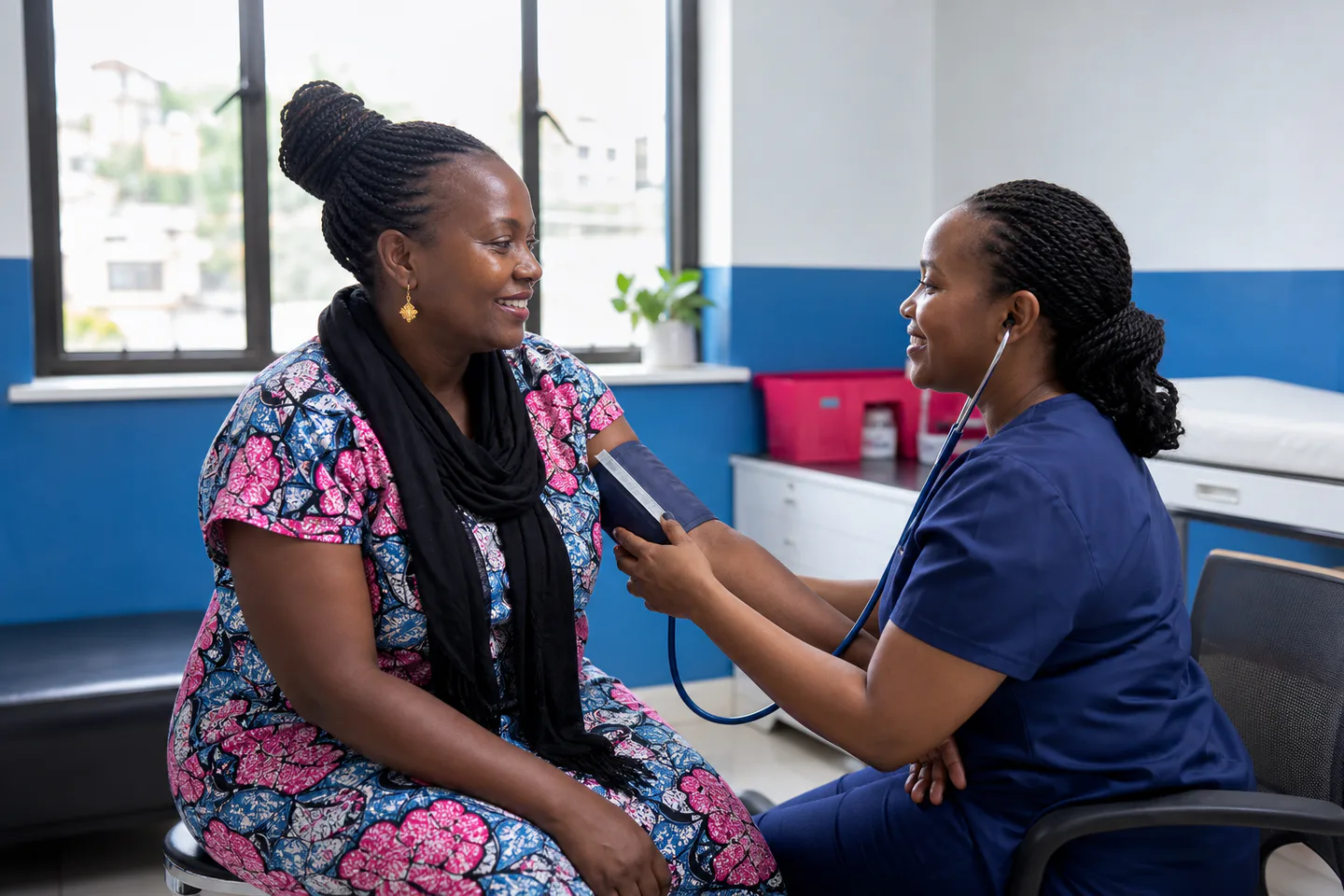
A good check-up is not the longest test list. It reviews your history and risks, checks useful basics such as blood pressure, and recommends targeted screening or laboratory tests only when the result could improve your care.
Start with a conversation, not a menu of tests
A clinician should ask about your age, family history, medicines, tobacco or alcohol use, pregnancy plans, previous results and any symptoms. Blood pressure, weight or other simple checks may be useful. From there, the clinician can explain which screenings apply to you and which tests would add cost without a clear benefit.
Some important conditions are quiet
High blood pressure often has no symptoms. Diabetes can also develop before a person feels very unwell. Your age, pregnancy history, weight, family history and other factors help decide whether blood sugar or HbA1c testing is useful. The aim is early action where it helps—not testing every organ because the machine is available.
Cancer screening should be targeted
Cervical screening is a major preventive priority in Kenya. Breast, prostate and colorectal screening decisions are more individual and may depend on age, symptoms and family history. Ask what a proposed test can find and what would happen if the result is positive or unclear.
Normal results are not a lifetime guarantee
A check-up is one moment in time. Keep a record of results, follow the recommended interval and return earlier when symptoms appear. Do not ignore a new lump, unusual bleeding, persistent pain, weight loss or another change because last year’s package was “normal.”
Bring the questions that matter to your week
Ask about sleep, stress, sexual health, vaccinations, dental care, family planning or a medicine you have been avoiding. Preventive care should help you live better, not simply produce a folder of numbers. At Penda, you can start on WhatsApp and plan an in-person visit or tests when they are genuinely useful.
Common questions
Is a larger test package always better?
No. Tests are most useful when your age, symptoms or risk make the result likely to change care.
Can Penda help me choose the right tests?
Yes. A clinician can review your history and recommend targeted screening or laboratory tests.
Health information sources
These sources support the general information on this page.
Updated 27 July 2026. Penda adapts public-health guidance for a Kenyan patient audience; this page does not replace a personal consultation.