Chronic care · 6 min read
Your blood pressure is high. What happens next?
One high reading is a reason to pay attention—not a reason to panic. Here is how to confirm the number and build a plan you can actually keep.
You cannot reliably feel high blood pressure. A diagnosis usually needs correctly taken readings on more than one occasion, unless the pressure is severely high or there are emergency symptoms.
First, sit down and repeat it properly
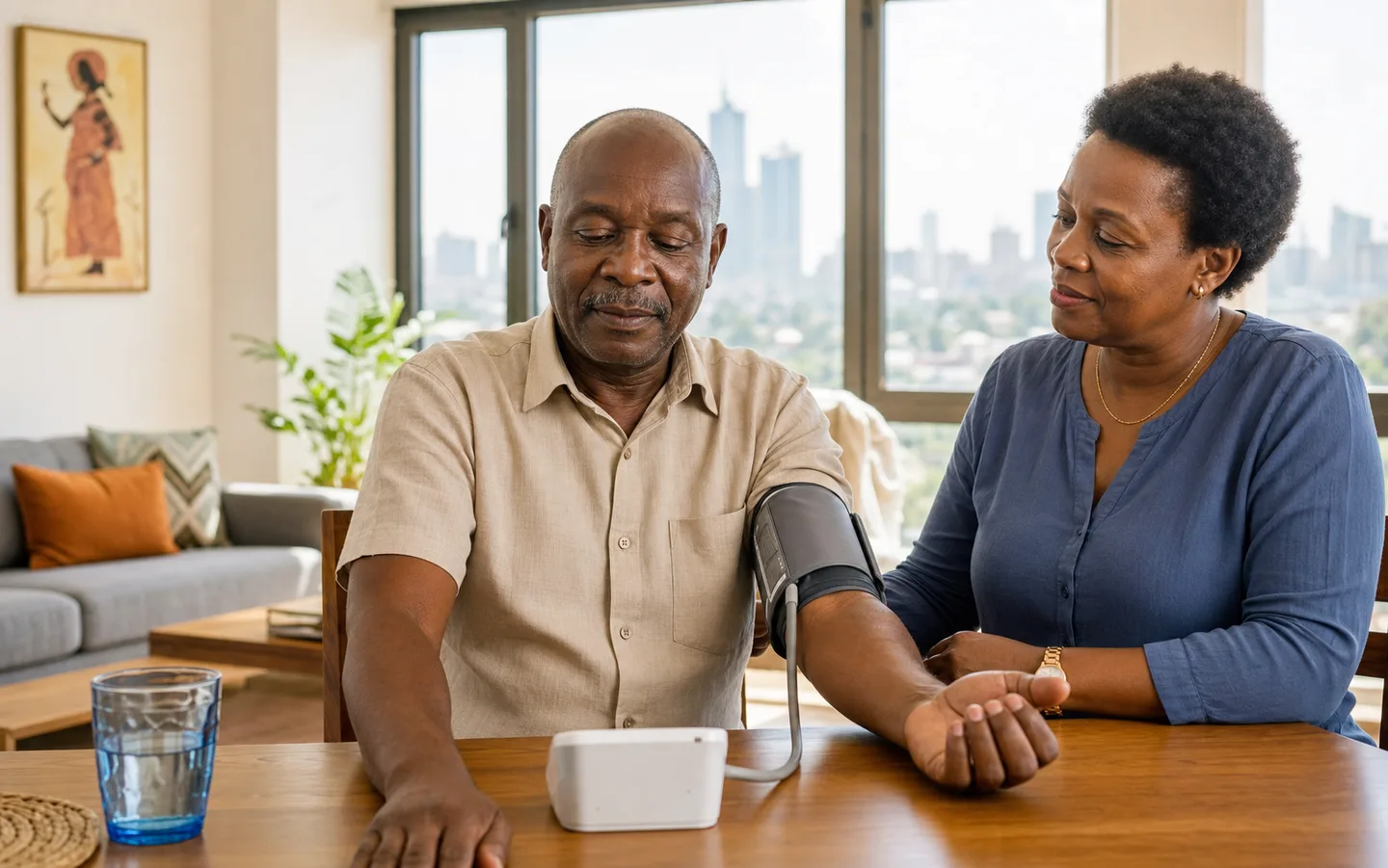
A rushed walk, pain, caffeine, stress or talking during the reading can push the number up. Sit quietly for a few minutes with your back supported and feet on the floor. The cuff should fit your upper arm and your arm should be supported. One high reading matters, but it does not always mean you have hypertension.
High blood pressure is usually quiet
Most people with hypertension feel normal. That is why waiting for headaches or dizziness is not a reliable plan. A clinician may repeat readings on different days, review your family history and other risks, and recommend blood or urine tests when they will help guide treatment.
Build the plan around real life
Reducing salt, staying active, avoiding tobacco and moderating alcohol can help. Medicine may also be needed. Tell your clinician what makes the plan hard—cost, side effects, shift work, travel or simply forgetting. A plan that looks perfect on paper but cannot survive your week is not yet the right plan.
Do not stop because you feel fine
Feeling well can mean the treatment is doing its job; it does not mean the blood pressure has disappeared. Take medicine as prescribed and attend follow-up. If side effects or cost are a problem, ask for a review rather than quietly stretching doses or stopping.
Know the emergency signs
Seek immediate care for a very high reading with chest pain, severe headache, confusion, weakness on one side, difficulty speaking, severe shortness of breath or a sudden vision change.
Common questions
Can I have high blood pressure without symptoms?
Yes. Most people with hypertension do not feel symptoms; measuring it is the way to detect it.
Health information sources
These sources support the general information on this page.
Updated 27 July 2026. Penda adapts public-health guidance for a Kenyan patient audience; this page does not replace a personal consultation.